
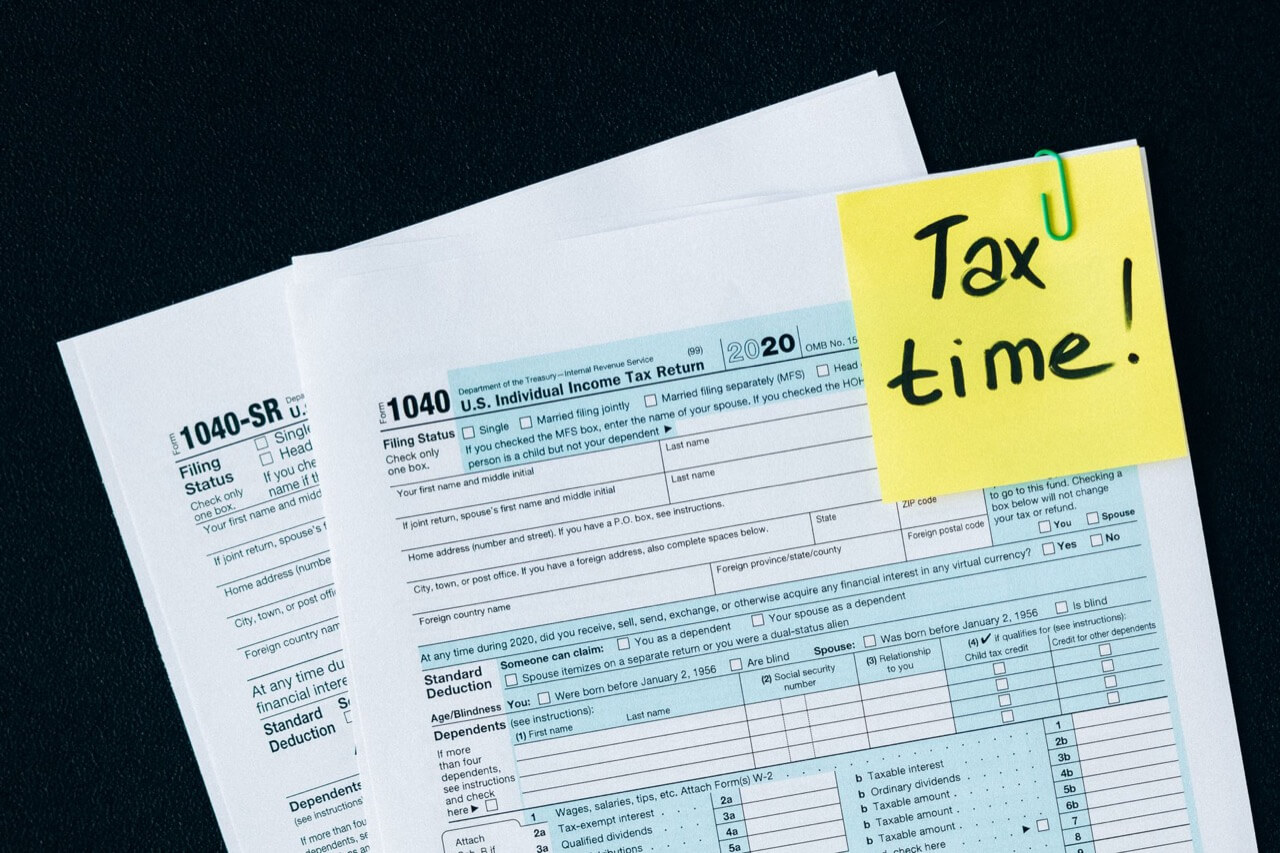
When you apply for a mortgage as a self-employed borrower, lenders usually do not start with gross business revenue. They start with the income that remains after business expenses, because the goal is to measure repayment ability, not sales volume. That is why tax returns, profit-and-loss statements, and other supporting records matter so much: they show the pattern behind the number a lender can count. Different loan programs can treat deductions and add-backs differently, so the same return can produce different qualifying income depending on the file.
That is also why early review helps. A borrower can look profitable in day-to-day business terms and still qualify on a lower mortgage income number if the return shows large write-offs. For a local loan officer who works with self-employed mortgages, conventional loans, and FHA loans in La Jolla, the useful question is not just “what did the business make?” but “what does the program allow me to use for qualifying?”
In La Jolla, the median home value is $791,600 (Census ACS 5-Year, 2023), while the local home value is $934,169 (Zillow Research, July 2026). At that price level, even a modest change in qualifying income can move a borrower from comfortably approvable to tight on debt-to-income, so the income calculation has to be right before the search gets serious.
For a self-employed borrower in La Jolla, deductions can reduce the income a lender is allowed to count, even when they help on taxes. The reason that matters here is simple: the price-to-income ratio is 9.13 (Derived (Zillow Research + Census ACS 5-Year), December 2023), which is a reminder that this is a high-cost market where qualifying room can disappear quickly if the loan file starts from a smaller income base. I keep that conversation simple and early so there are fewer surprises later, and I respond quickly so borrowers are not waiting around while we compare the file to the loan options.
Tax returns often do not reflect the true financial capacity of a self-employed borrower when it comes to making mortgage payments. Many self-employed individuals have income that may not be fully captured in their tax documents. Instead, we can look at alternatives such as bank statement deposits or business profit and loss statements. These options provide a clearer picture of a borrower's financial health and can lead to more favorable lending decisions. It's important to explore these flexible options to ensure that we are accurately assessing a borrower's ability to repay their loan.
Monthly rent is $3,008 (Zillow Research, July 2026), the price-to-rent ratio is 25.88 (Derived (Zillow Research), July 2026), and the median property tax is $5,542 (Census ACS 5-Year, 2023). Those numbers tell a self-employed buyer in La Jolla that ownership carries a real monthly commitment, so the income used for underwriting has to support not just the payment but the tax and housing-cost load that comes with a higher-priced home.
The conforming limit 1 unit is $1,104,000 (FHFA Conforming Loan Limits, 2026), and the va county loan limit is also $1,104,000 (FHFA Conforming Loan Limits, 2026). For a self-employed buyer, that matters because many local homes still fit inside standard agency financing, but the appraisal and income file still need to support the payment at La Jolla price points. FHA also has a 1-unit limit of $1,104,000 (HUD CHUMS FHA Forward Mortgage Limits, 2026), which gives some borrowers another structure to consider when the tax return income is tighter than the sales price suggests.
Homes are not sitting long in San Diego County: days to pending is 20 (Zillow Research, July 2026), price cuts share is 26.64% (Zillow Research, July 2026), and for sale inventory is 8,070 (Zillow Research, July 2026). For a borrower whose qualifying income depends on how deductions are treated, that means preparation has to happen before the offer window opens, not after, because a strong property can move while the income file is still being explained.
They usually start with tax returns and then adjust for the loan program, because the goal is to find income that can reasonably support repayment. In La Jolla, that review matters more than it might in a lower-cost market because the home value is $934,169 (Zillow Research, July 2026) and the median home value is $791,600 (Census ACS 5-Year, 2023); a small change in counted income can change how much house the borrower can carry.
No. Some deductions can lower taxable income without destroying a file, and some programs may allow add-backs or other adjustments. The issue in La Jolla is that the market is expensive relative to income: the price-to-income ratio is 9.13 (Derived (Zillow Research + Census ACS 5-Year), December 2023), so if deductions push qualifying income down too far, the borrower may need a different structure, a larger down payment, or a loan program that fits the return better.
Every figure comes from public data on San Diego County, which includes La Jolla, CA. Each one names its source and the month it describes, so you can check it yourself.